
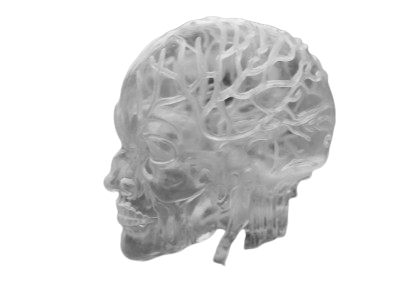
START it UP - CNS
Hockey is lumped with other “field invasion sports,” as if it shares the exact same neural demands as football or rugby. It doesn’t. It’s a sport where a hard projectile can travel faster than most athletes can process, manipulated via a one‑metre lever in a compressed space with 360° threats. That combination makes hockey one of the most Central Nervous System (CNS) ‑ hostile sports currently played. It is simply not football, and constantly copying and pasting sports science memes across to hockey is a seriously flawed practice.
Football clubs like Arsenal now use CNS‑priming warm‑ups that blend low‑load explosive work, scanning, and partner‑coordination drills to “switch on” the system without fatigue. That’s a great baseline. But for hockey, it’s not enough. This article builds the case—neuroscientifically and practically in detail—for full‑range CNS activation in hockey as an integral part of training and pre-match priming of integrated body systems.
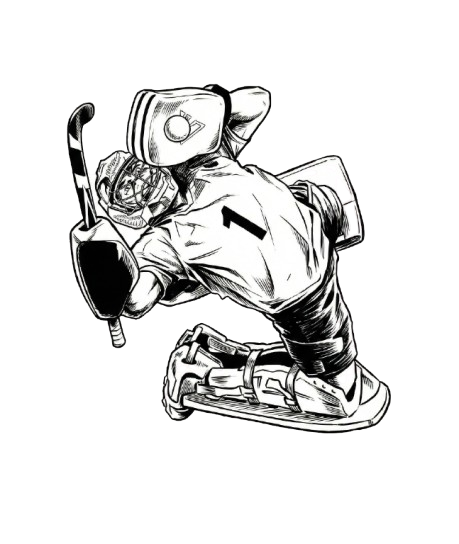
KNEE-jerk
Reaction time in hockey isn’t just about being quick — it’s a chain of skills under pressure. From spotting the ball or puck early to making split‑second decisions and executing with precision, every link matters. Age inevitably reshapes these abilities, but the science shows they can be trained. Vision, cognition, neuromuscular speed, and movement economy all offer levers to keep performance sharp

get AROUSED
Arousal is the invisible accelerator of performance — the physiological and psychological ignition that can propel athletes into peak states or derail them entirely. From heart rate and cortisol surges to the subtle distractions of mobile notifications and multimedia overload, athletes rarely step onto the field at a neutral baseline. The challenge for coaches and players is not whether arousal exists, but how to regulate it: keeping activation within the individual’s optimal zone so that energy sharpens focus rather than fragments it. Contemporary sport science shows that unmanaged arousal amplifies anxiety, impairs decision‑making, and erodes fine motor control, while tailored routines, mindfulness cues, and digital hygiene can transform it into a competitive advantage.