
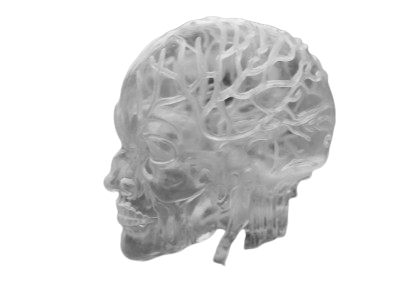
START it UP - CNS
Hockey is lumped with other “field invasion sports,” as if it shares the exact same neural demands as football or rugby. It doesn’t. It’s a sport where a hard projectile can travel faster than most athletes can process, manipulated via a one‑metre lever in a compressed space with 360° threats. That combination makes hockey one of the most Central Nervous System (CNS) ‑ hostile sports currently played. It is simply not football, and constantly copying and pasting sports science memes across to hockey is a seriously flawed practice.
Football clubs like Arsenal now use CNS‑priming warm‑ups that blend low‑load explosive work, scanning, and partner‑coordination drills to “switch on” the system without fatigue. That’s a great baseline. But for hockey, it’s not enough. This article builds the case—neuroscientifically and practically in detail—for full‑range CNS activation in hockey as an integral part of training and pre-match priming of integrated body systems.
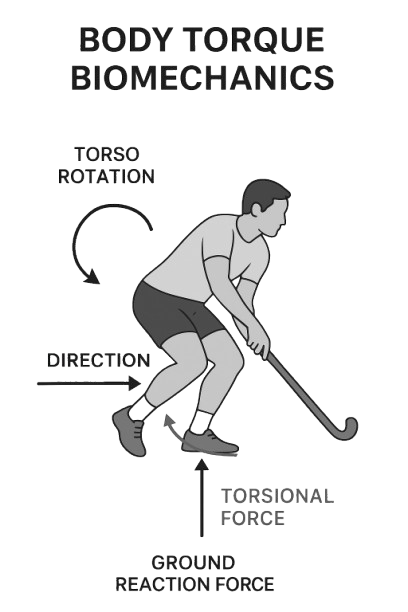
TORQUE to ME
This article builds on our original training-focused piece and reframes body torque as a central engine of hockey performance.
We link biomechanics & injury data directly to playing realities: power generation, deception, stick–ball control, neuromechanics, and resilience.
As usual, we tap into hockey-specific research — including drag-flick and hitting mechanics , expanding it with broader sports science on rotational power and kinetic chain organisation.
FULL BODY HARMONY- techno
Discover how speed, power, agility, vision, proprioception, and hand–eye coordination weave together into a single neuromuscular symphony. This article reveals the science behind motor unit recruitment, elastic recoil, reflex loops, and perceptual anchoring — and shows how tailored training can transform raw force into fluid control. Whether you’re chasing peak velocity, sharper cuts, or longevity in masters play, the harmonic model offers a roadmap to elevate your game and sustain performance.